






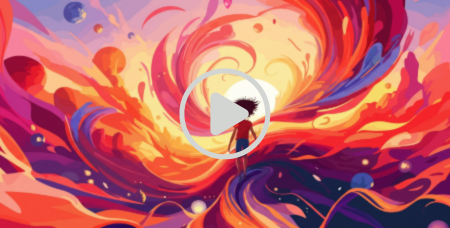
Canva's Celebration Modal
Canva’s turning 10, and they’re throwing confetti everywhere! 🎉 This playful modal greets users with a...
Existing customer? Sign in
Celebrate a user's first tour publication by acknowledging their achievement, encouraging them to review upcoming data, and motivating them to create another tour with a clear next step or the option to pause.
When users accomplish something meaningful in your product, that moment of achievement creates a powerful psychological opportunity. The dopamine hit from completing a task, reaching a milestone, or mastering a new feature can either fade into the background—or become a catalyst for deeper engagement. Success message templates for software transform these fleeting victories into strategic touchpoints that reinforce positive behavior, build momentum, and guide users toward their next meaningful action.
Well-designed success messages do more than acknowledge completion; they celebrate progress, validate effort, and create emotional connections between users and your product. Research shows that positive reinforcement significantly impacts user retention and feature adoption, making success message templates one of the most underutilized tools in the product manager's toolkit.
A success message template is a pre-designed user interface component that appears when users complete specific actions or reach important milestones within software applications. Unlike generic notifications or alerts, success message templates are specifically crafted to celebrate achievements and maintain user momentum through strategic messaging and calls-to-action.
The most effective success message templates include three core components: a celebratory heading that acknowledges the accomplishment, a contextual subheading that reinforces the value of what users just achieved, and strategic CTAs that guide users toward their next logical step in the product journey.
Success messages differ fundamentally from other notification types because they focus on positive reinforcement rather than information delivery or problem-solving. While error messages address issues and informational notifications provide updates, success messages create emotional connections and encourage continued engagement.
Product teams should implement success message templates at key moments throughout the user journey—particularly after onboarding milestones, feature adoptions, goal completions, and workflow achievements. These templates serve as psychological bridges between completed actions and future engagement, helping users understand their progress while maintaining forward momentum.
The psychological impact of well-timed success messages cannot be overstated. They validate user effort, reduce uncertainty about progress, and create positive associations with your product that influence long-term retention and advocacy.
Implementing success message templates requires strategic thinking about timing, personalization, and user journey integration. Start by identifying the most meaningful completion moments in your product—actions that represent genuine progress or achievement rather than routine interactions.
The setup process begins with defining trigger conditions. Map out specific user actions that warrant celebration: completing onboarding tours, adopting new features, reaching usage milestones, or achieving personal goals within your product. Each trigger should represent a moment where users have invested effort and achieved something valuable.
Timing considerations are crucial for success message effectiveness. Display messages immediately after completion to maintain the psychological connection between action and reward. However, avoid interrupting critical workflows or appearing during high-concentration tasks. The best success messages feel like natural celebrations rather than disruptive interruptions.
Personalization transforms generic templates into meaningful experiences. Use available user data to customize messaging—reference specific achievements, acknowledge effort levels, or connect accomplishments to broader user goals. Personalized success messages create stronger emotional connections and demonstrate that your product understands individual user journeys.
Integration with user journey mapping ensures success messages support broader product adoption goals. Each success message should acknowledge current achievements while subtly guiding users toward their next valuable action. This creates a continuous cycle of engagement that builds product stickiness over time.
A/B testing optimization helps refine success message performance. Test different messaging approaches, CTA strategies, visual elements, and timing variations to identify what resonates most with your specific user base. Chameleon's modal builder makes this process seamless, allowing product teams to create, customize, and test success message templates without engineering resources. The platform's advanced targeting options ensure messages reach the right users at optimal moments, while trigger settings provide precise control over when celebrations appear.
Writing compelling celebratory copy requires balancing enthusiasm with authenticity. Use active language that acknowledges user effort: "You've mastered," "You've unlocked," or "You've completed" rather than passive constructions. Keep messaging concise but meaningful—users should immediately understand what they've accomplished and why it matters.
Visual elements amplify the celebratory nature of success messages. Strategic use of emojis, icons, and colors creates positive emotional responses without overwhelming the interface. Choose visual elements that align with your brand personality while maintaining professional credibility. Celebratory colors like green, blue, or gold often work well, but ensure accessibility and brand consistency.
CTA strategy requires careful balance between maintaining momentum and respecting user choice. Effective success messages typically include a primary CTA that guides users toward their next logical step and a secondary option that allows them to continue their current workflow. Avoid overwhelming users with too many choices, but provide clear paths forward that build on their recent achievement.
Frequency and timing optimization prevents success message fatigue. Not every action warrants celebration—focus on genuinely meaningful milestones that represent real progress. Establish clear criteria for what constitutes success-worthy achievements and stick to those standards consistently.
Measuring success message effectiveness requires tracking both immediate responses and longer-term behavioral changes. Monitor CTA click-through rates, subsequent feature adoption, and overall user engagement patterns following success message interactions.
Chameleon's advanced targeting capabilities allow product teams to segment success messages based on user characteristics, behavior patterns, or journey stages. The platform's analytics provide insights into message performance, enabling data-driven optimization of celebration strategies. Customization options ensure success messages align perfectly with brand guidelines while maintaining the flexibility to test different approaches.
First tour completion represents one of the most impactful success message opportunities. When users finish their initial product walkthrough, success messages can celebrate this achievement while guiding them toward immediate value realization through strategic next steps.
Feature adoption milestones deserve recognition when users successfully implement new capabilities. These success messages reinforce the value of exploration while encouraging deeper feature engagement through related functionality suggestions.
Onboarding progress celebrations maintain momentum during longer setup processes. Breaking complex onboarding into celebrated milestones helps users feel accomplished rather than overwhelmed by remaining tasks.
Goal achievements within your product create natural celebration opportunities. Whether users reach usage targets, complete projects, or accomplish personal objectives, success messages validate their effort while encouraging continued engagement.
Account setup completions mark important transition points from setup to active usage. Success messages at these moments can guide users toward their first meaningful product interactions while celebrating their commitment to getting started.
How do you customize success message templates? Most modern product adoption platforms offer drag-and-drop customization options for success message templates. Focus on aligning visual elements with your brand while maintaining clear, celebratory messaging that guides users toward their next valuable action.
When should you show success messages to users? Display success messages immediately after meaningful accomplishments—completing onboarding steps, adopting new features, reaching milestones, or achieving goals. Avoid showing them for routine actions that don't represent genuine progress or effort.
What makes an effective success message CTA? Effective CTAs build on the momentum of recent achievements by guiding users toward logical next steps. Use action-oriented language that connects to the completed accomplishment while providing clear value propositions for continued engagement.
How do you measure success message performance? Track immediate metrics like CTA click-through rates and message engagement, but also monitor longer-term indicators such as feature adoption rates, user retention, and overall product engagement following success message interactions.
Can success messages improve user retention? Yes, well-designed success messages create positive emotional associations with your product while reinforcing progress and achievement. This psychological reinforcement contributes to stronger user engagement and improved long-term retention rates.
Success message templates represent powerful opportunities to transform routine product interactions into memorable celebrations that drive continued engagement. By implementing strategic success messages that acknowledge user achievements while guiding toward future value, product teams can create more engaging experiences that support both user success and business objectives.
You've just shipped an amazing new feature that could transform how your users work. But here's the problem: without a proper announcement strategy, even your best features can go completely unnoticed. Studies show that users typically discover only 20% of available product features on their own, leaving 80% of your development efforts invisible to the people who need them most.
This is where new feature announcement templates become game-changers for product teams. A well-designed feature announcement modal acts as a spotlight, ensuring your latest innovations get the attention they deserve. Lightbox modals are particularly effective because they dim the background interface and focus user attention entirely on your message—creating an impossible-to-ignore moment of engagement.
Chameleon's new feature announcement template streamlines this entire process, giving product teams a conversion-optimized solution that connects seamlessly with guided tours, interactive demos, and user feedback collection. Instead of building announcement modals from scratch or relying on easily-missed email notifications, you can deploy professional-grade feature announcements in minutes.
A new feature announcement template is a pre-built modal designed specifically to introduce new product features to your users at the right moment in their journey. Unlike generic pop-ups or notification banners, these templates are purpose-built for feature discovery and adoption.
The lightbox functionality is what makes these announcements so effective. When triggered, the modal appears over your product interface while dimming the background, creating a focused environment where users can't help but notice your message. This approach generates significantly higher engagement rates compared to passive announcement methods like in-app banners or email notifications.
Every effective feature announcement template includes four essential components:
Eye-catching heading with visual elements - A compelling headline that immediately communicates the feature's value, often enhanced with emojis or icons to grab attention and convey emotion.
Clear subheading explaining the feature benefit - A concise description that focuses on what users can accomplish with the new feature, not just what it does technically.
Primary CTA for immediate engagement - An action button that encourages users to try the feature right away, such as "Explore Now" or "Get Started."
Secondary CTA for user control - A dismiss or "Remind Me Later" option that respects user autonomy while keeping the door open for future engagement.
This structure contrasts sharply with other announcement methods. Email notifications often get buried in crowded inboxes, tooltip-based announcements are easily missed during quick workflows, and banner notifications can be dismissed without consideration. Feature announcement modals demand attention while still providing users control over their experience.
Creating effective feature announcements requires strategic thinking about timing, messaging, and user segmentation. The setup process begins with identifying the optimal moment to introduce your new feature—typically when users are actively engaged in related workflows or during natural transition points in their journey.
Start by customizing the heading and subheading for your specific feature. Focus on user benefits rather than technical specifications. Instead of "New API Integration Available," try "Connect Your Favorite Tools in One Click 🔗." Configure your CTA buttons based on the desired user action—whether that's exploring the feature immediately, watching a demo, or scheduling time to learn more.
Setting targeting rules is crucial for announcement success. Consider user segments, feature access levels, and behavioral triggers. You don't want to announce premium features to free-tier users or show advanced functionality to brand-new users who haven't mastered the basics yet.
Implementation with Chameleon transforms this process entirely. Chameleon's template gallery provides conversion-optimized designs that you can deploy immediately, eliminating the need for design resources or lengthy development cycles. The platform's audience segmentation capabilities let you target announcements with surgical precision—reaching only users who will find the feature relevant and valuable.
The real power emerges when you connect announcements to Chameleon's other engagement tools. Link your feature announcement directly to Interactive Demos that let users explore functionality hands-on, or connect to Tours that provide step-by-step guidance through complex features. This creates a seamless experience from discovery to mastery.
Timing and triggers require careful consideration. Launch announcements during active user sessions when attention levels are high, but avoid overwhelming users with multiple announcements in short timeframes. Consider the user's journey stage and feature relevance—a power user might appreciate advanced functionality announcements that would confuse a newcomer.
Successful feature announcements follow proven content and design principles that maximize engagement while respecting user experience.
Content guidelines focus on clarity and benefit-driven messaging. Keep headlines concise and benefit-focused—users should understand the value proposition within seconds. Use action-oriented language in CTAs that creates urgency without being pushy. "Discover Your New Dashboard" works better than generic "Learn More" buttons. Include visual elements like emojis or icons strategically to draw attention and convey emotion, but avoid overuse that appears unprofessional.
Most importantly, highlight specific user benefits rather than feature descriptions. Users care about what they can accomplish, not the technical details of how you built it.
Design principles ensure your announcements feel native to your product experience. Maintain brand consistency in modal styling—colors, fonts, and visual elements should align with your existing interface. While desktop is the primary focus, ensure your modals remain functional across different screen sizes. Use contrasting colors for CTA buttons to make them stand out, and keep modal size appropriate for content length to avoid overwhelming users.
Targeting strategy prevents announcement fatigue while maximizing relevance. Segment users based on feature relevance using behavioral data, subscription tiers, or usage patterns. Implement frequency caps to avoid overwhelming users with too many announcements. A/B test different messaging approaches to optimize engagement rates—test headlines, CTA copy, and even timing to find what resonates with your audience.
Track engagement metrics continuously for optimization. Monitor click-through rates, feature adoption following announcements, and user feedback to refine your approach.
Integration with the broader user journey amplifies announcement effectiveness. Connect announcements to your onboarding flows for new users discovering features organically. Use Surveys to gather feedback on announced features, helping you understand adoption barriers and improvement opportunities. Follow up with contextual nudges that encourage feature usage at relevant moments. Most importantly, measure the impact on product adoption metrics to demonstrate ROI and guide future announcement strategies.
Chameleon's customization options let you align announcements perfectly with your brand identity. You can modify colors, fonts, button styles, and spacing to match your existing interface. The platform also supports custom CSS for advanced styling needs, and you can upload brand assets like logos or custom icons to maintain visual consistency.
Timing depends on user behavior and feature complexity. Show announcements during active sessions when users are engaged, typically after they complete a workflow or navigate to a relevant section. For major features, consider announcing during login or dashboard visits. For workflow-specific features, trigger announcements when users access related functionality.
Track multiple metrics including click-through rates on announcement CTAs, feature adoption rates following announcements, and user engagement with connected demos or tours. Chameleon's analytics dashboard and integrations with product analytics tools let you measure both immediate engagement and long-term feature adoption impact.
Chameleon's testing capabilities allow you to experiment with different headlines, CTA copy, visual elements, and timing strategies. You can run split tests to optimize engagement rates and feature adoption, using statistical significance to guide decisions about which approaches work best for your audience.
Lightbox modals create focused attention by dimming the background interface, making them impossible to ignore while maintaining user control. Unlike banner notifications that can be easily dismissed or email announcements that might be missed entirely, lightbox modals ensure your message gets seen. They're more engaging than tooltips but less intrusive than full-screen takeovers, striking the perfect balance for feature discovery.

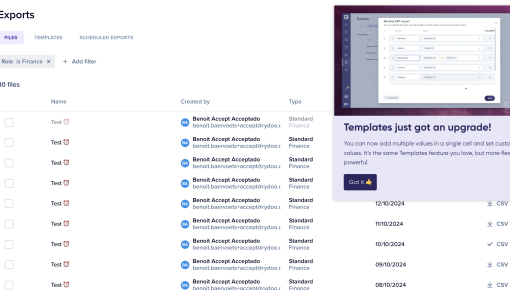

Get started free in our sandbox or book a personalized call with our product experts